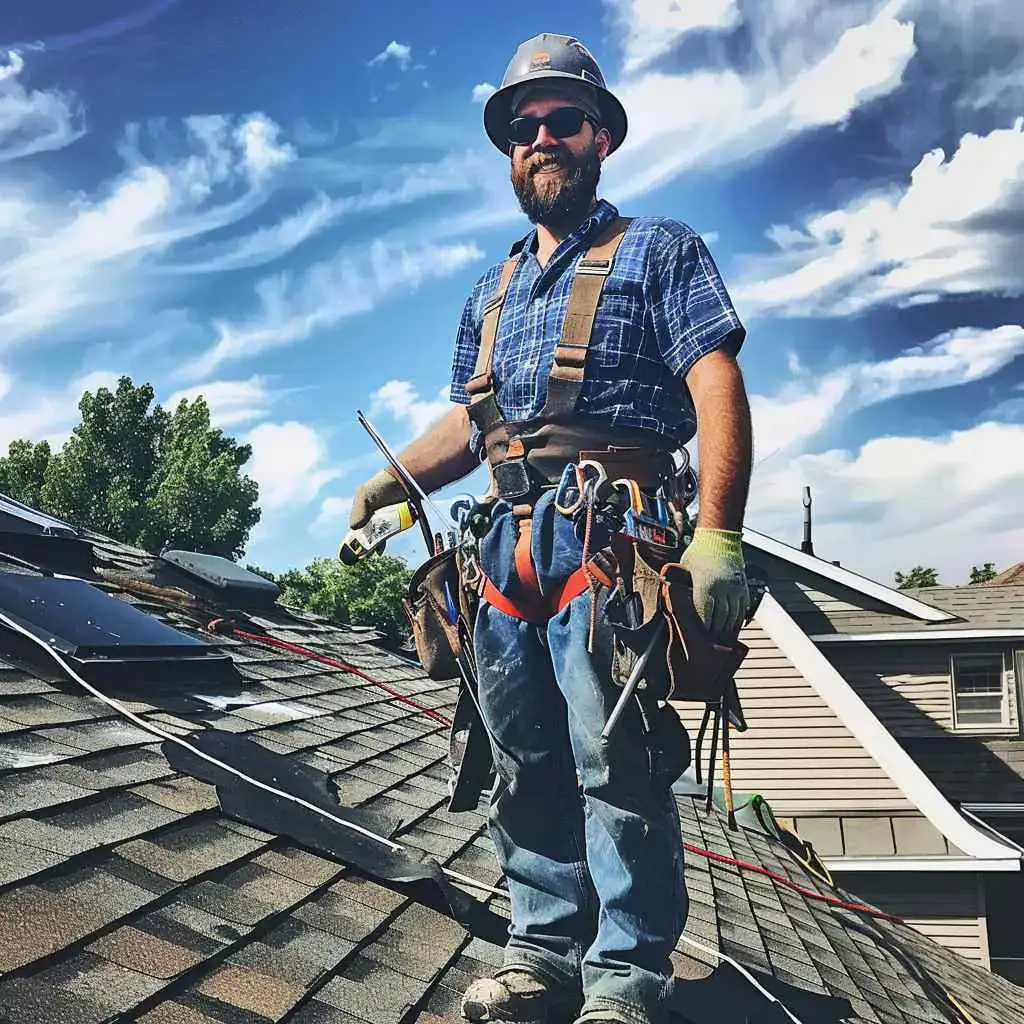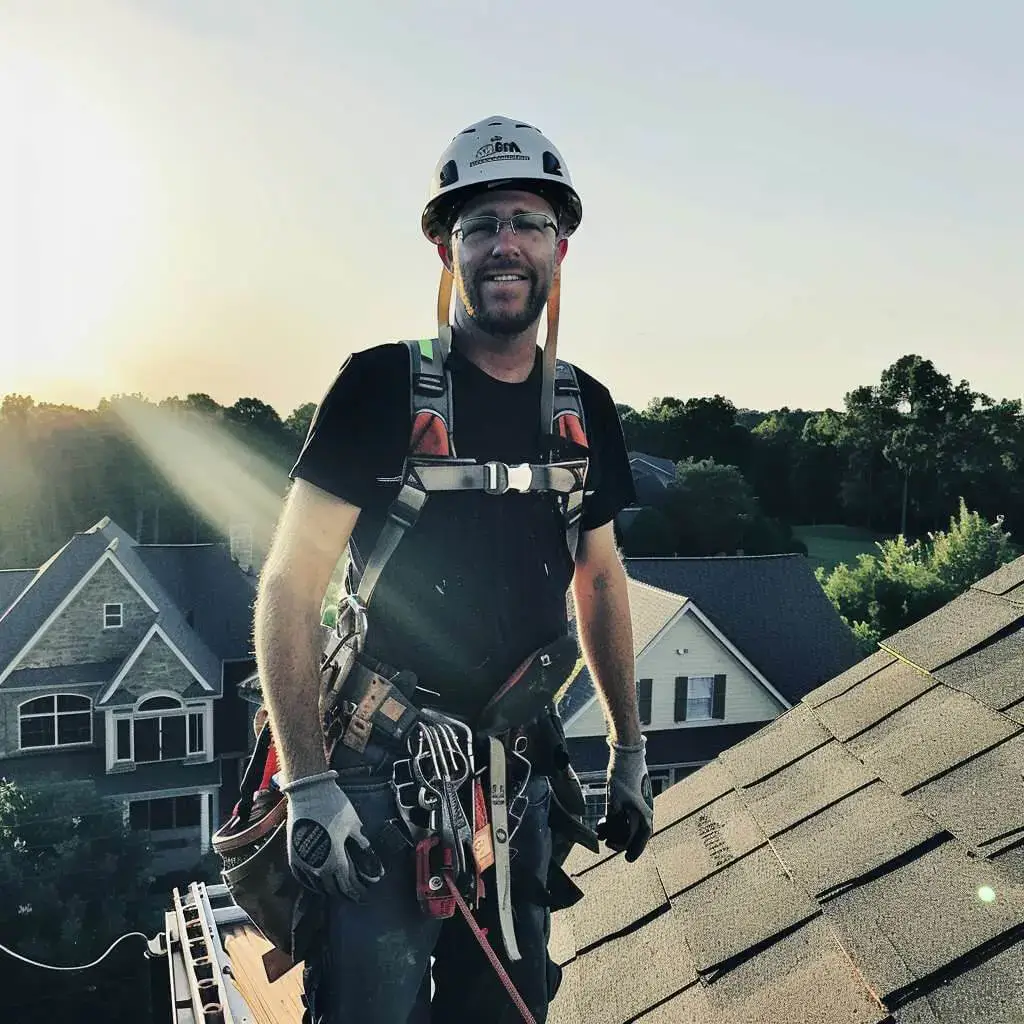
Meet the Team

About Us

Metal Outlasts Everything Else on the Roof

Standing seam, corrugated, and copper for Brooklyn homes, warehouses, and storefronts

Metal Roof Masters installs and repairs one kind of roof: metal. Standing-seam panels on concealed clips, exposed-fastener corrugated for warehouses and industrial buildings, copper on brownstone bays and cornices, and aluminum where salt air would eat into steel. A properly built standing-seam roof in 24-gauge Galvalume with a Kynar finish runs 40 to 70 years. That’s two or three asphalt roofs in the same window.
That lifespan is also why metal punishes a bad install. The panel you put down today is the one a building keeps for half a century, so a clip set wrong or a seam crimped loose isn’t a small mistake. It’s a leak the owner lives with for years, or pays to tear off early. We work to that standard because metal doesn’t hand out the second chances a shingle roof does.
We cover the whole range across Brooklyn. New installs, panel and seam repair, leak repair when a storm lifts a panel or a seam opens up, recoating a tired metal deck, and routine checks on fasteners and sealant before they start letting water in. The snow retention and drainage details get the same attention, since those decide whether a slick roof sheds water and holds snow where it belongs.
Years of Experience
25 +
Professional Roofers
300 +
Available Materials
120 +
Positive Reviews
999 +

Two Things That Separate a Metal Crew From a Roofing Crew
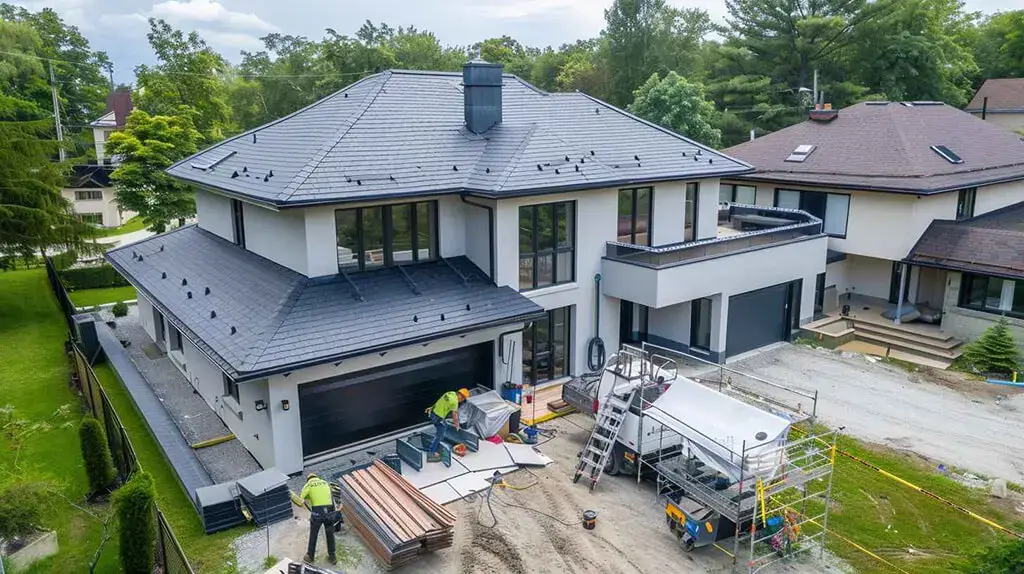
Plenty of roofers can lay shingles or roll out a membrane. Metal is closer to sheet-metal work, and two parts of it trip up crews who treat it like regular roofing.
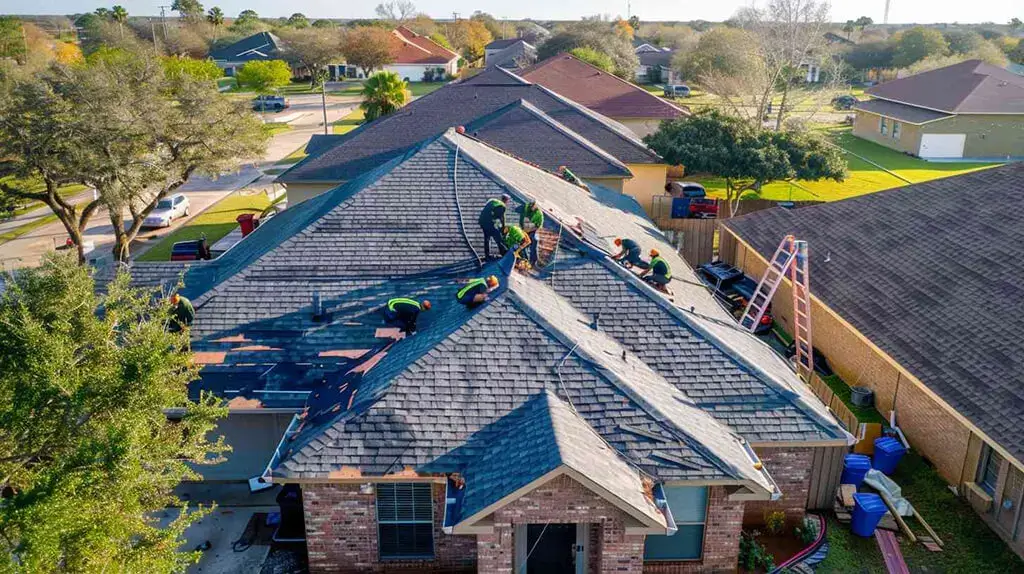
another high angle view showing Brooklyn residential roofs
high angle view showing Brooklyn residential roofs
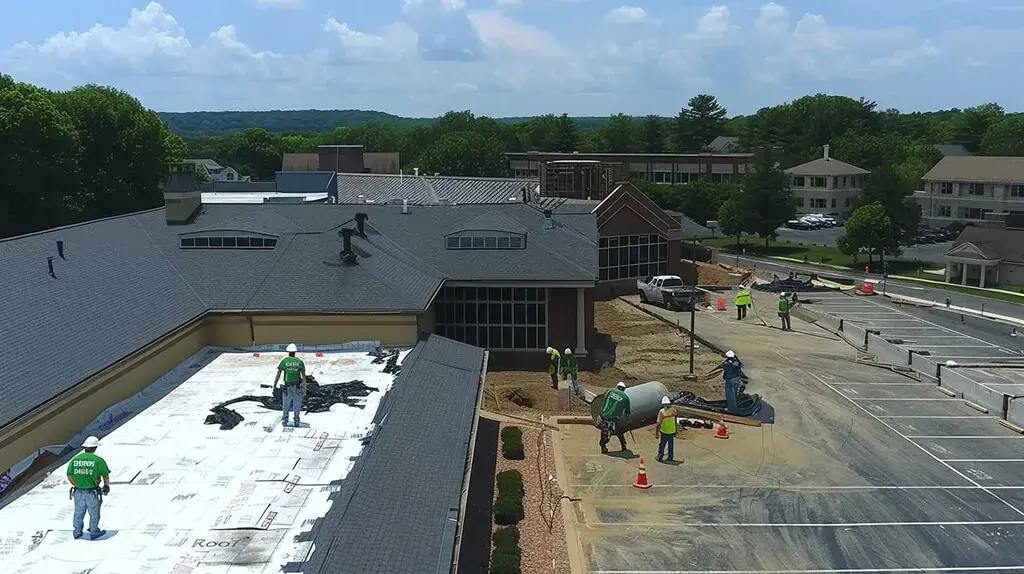
group of professional roofers doing roof installation
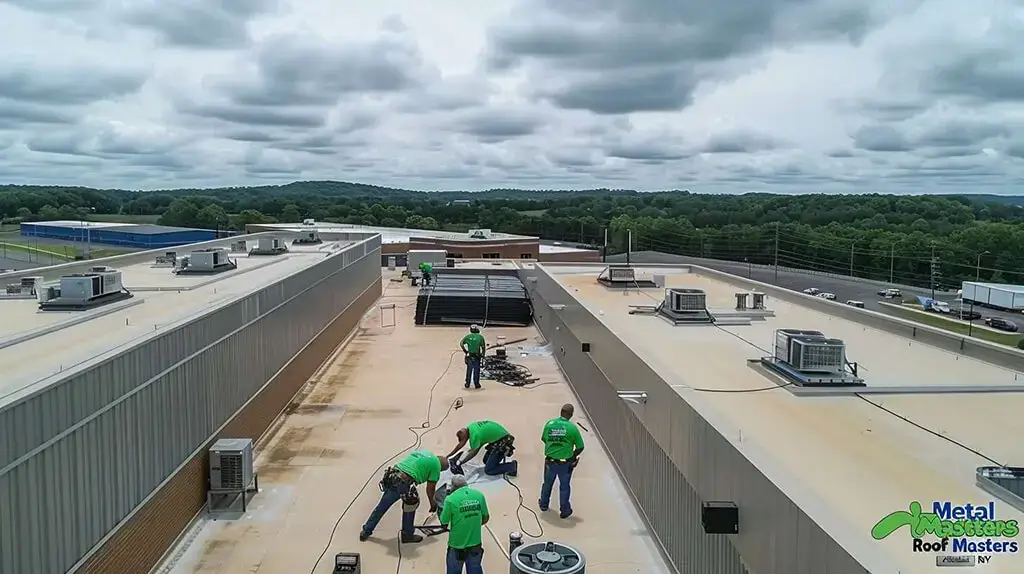
top view showing Brooklyn commercial roofs

01

We Bend and Solder our Own Metalwork

A lot of a metal roof is fabricated, not pulled off a shelf. Ridge and hip caps, valley pans, sidewall and chimney flashing, custom copper for a brownstone cornice. We run a brake and shear to form that flashing on site so it fits your roof, and we solder copper seams instead of leaning on sealant that quits in ten years. Panel edges get cut and hemmed clean, so you’re not left with raw steel waiting to rust.

02

Metal moves, and the install has to allow it

A metal panel expands and contracts every day the sun hits it. Pin it down with the wrong fasteners and it buckles into waves, what the trade calls oil canning, or it tears at the screw heads and starts to leak. Standing-seam panels ride on concealed clips that let them slide as they heat and cool, and we set those clips for the panel length and the pitch. On exposed-fastener corrugated, we use the right gasketed screws and swap the old washers that dry out and weep. Get the movement right and the roof stays flat and tight through every season.

Our Team

Part Roofer, Part Sheet-Metal Worker
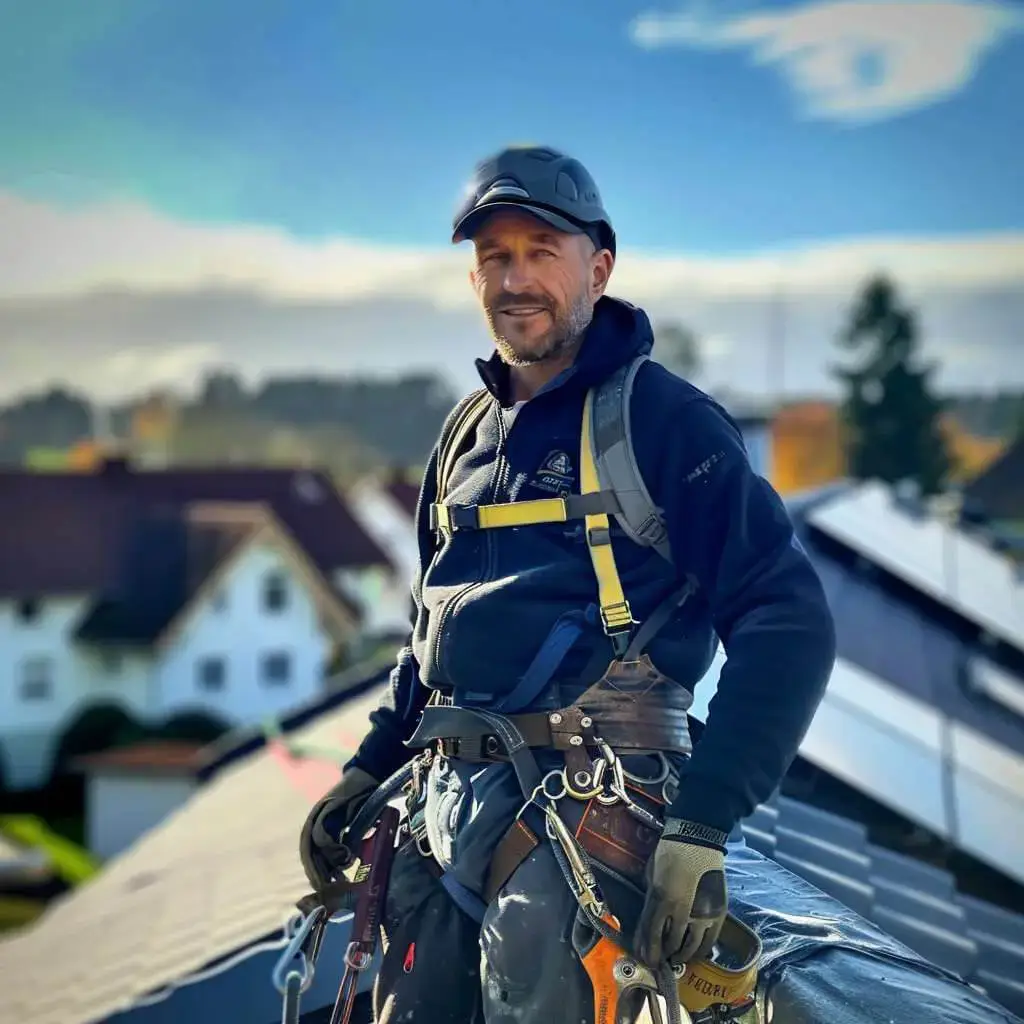
Metal Roof Master company ceo image

Lucas Denvert

Company CEO

Metal Roof Master project manager

Mark Thomas

Project Manager

Metal Roof Master image of Lead Roofer

Peter Russels

Lead Roofing

Metal Roof Master image of Safety Officer

Timothy Deann

Safety Officer

Our Values

Where We Spend the Extra Time

A metal roof is a long bet, and the decisions that decide how it ages get made before a single panel goes up. Two of them get most of our attention.

The Right Metal for the Conditions

Not every building wants the same panel. A warehouse with a near-flat deck needs a mechanically seamed standing seam that won't leak at low pitch. A storefront or a row house facing the harbor does better in aluminum or copper, which never corrode the way coated steel eventually can. A reflective Kynar finish pulls down cooling bills on a big commercial roof through the summer. We spec the metal, the gauge, and the finish around how your building sits and how long you want it to last, not around whichever panel is cheapest to buy.

Built to be Walked away from

The whole point of a metal roof is that you stop thinking about it. We'd rather take an extra day on the seams, the snow guards, and the flashing than have you calling back in two winters. Snow retention bars sized to the pitch keep a slick roof from dropping a slab of ice onto the sidewalk. Seams clipped and sealed properly shed water for decades. When we pack up, the roof should be the part of your building you forget is there.

FAQs

Questions Owners Ask Before Going Metal

It depends on the metal. A standing-seam Galvalume roof with a Kynar finish runs 40 to 70 years. Copper and aluminum can go longer. Exposed-fastener corrugated is shorter, closer to 25 to 40, mostly because the screws and washers wear out before the panels do. Either way you’re well past what a shingle or flat membrane roof gives you.
Not the way people picture it. The drumming you’re imagining is a barn with bare panels over open framing. On a house or a commercial building the metal sits over solid decking and underlayment, and it’s no louder than asphalt. The rain-on-tin sound is mostly a holdover from a different kind of roof.
Galvalume steel, aluminum, and copper don’t rust like plain steel. Galvalume carries an aluminum-zinc coating, and the Kynar paint on top is the part that fails last. Aluminum and copper don’t rust at all, which is why we lean on them near the water. The one spot that can corrode is a bare cut edge, so we hem and seal those.
Sometimes. Over a single layer of sound shingles, we can go on with furring strips or a slip sheet and skip a full tear-off, as long as the framing carries the added load and the underlayment is rated for it. If the deck is soft or there are already two layers up there, it comes off first. We’ll tell you which once we’re on the roof.
The material and the labor both run higher. It’s a fabricated, skilled install, not stapling down courses. The trade-off is the timeline. Spread a metal roof’s price across 50 years against the two or three shingle replacements you’d buy in that same span, add the lower cooling bills from a reflective finish, and it usually lands even or ahead. If you’re selling in five years, it’s a hard number to justify. If you’re holding the building, it pays for itself.